
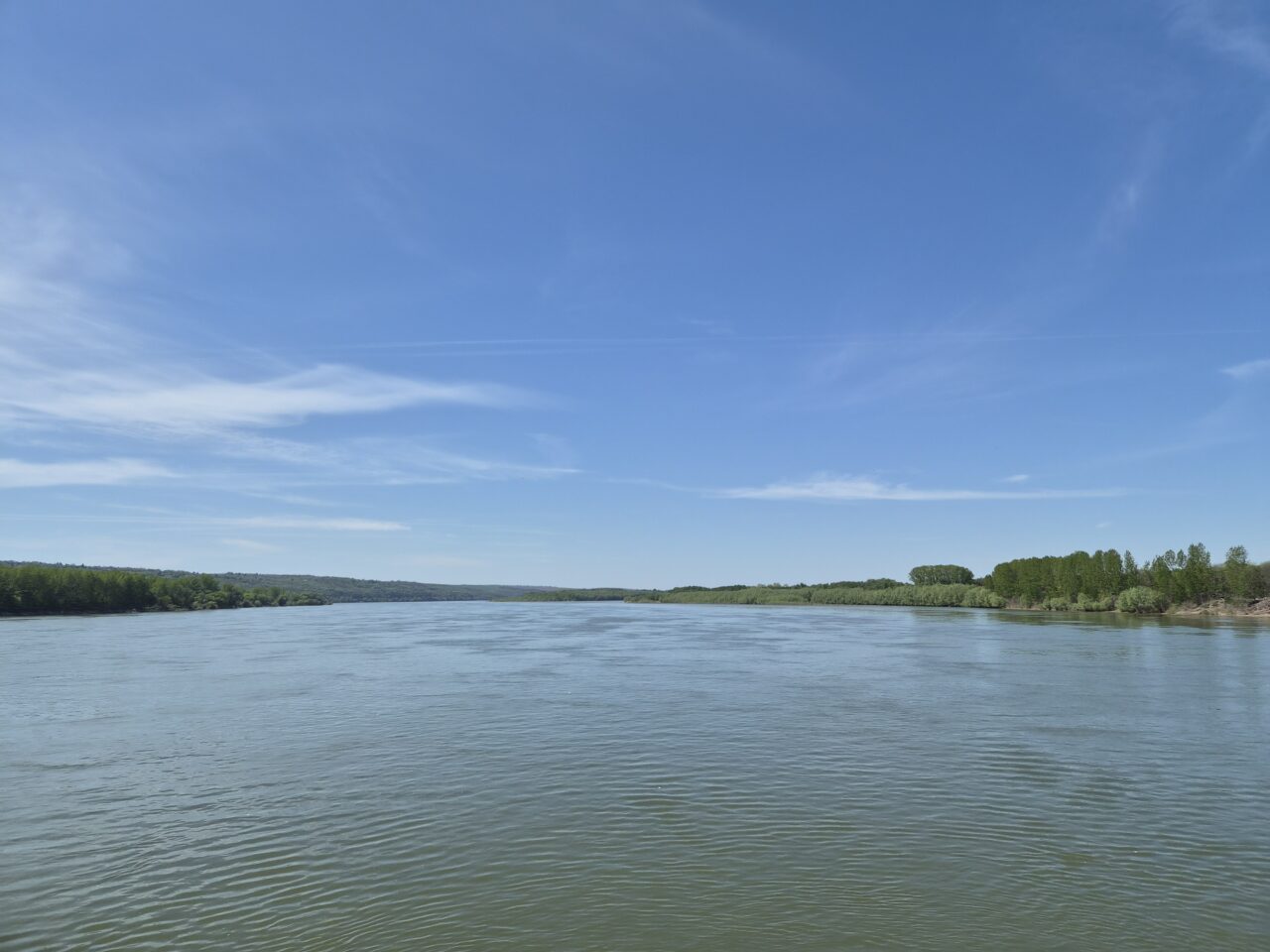
After three and a half years of cooperation, co-creation and knowledge exchange, EcoDaLLi (ECOsystem-based governance with DAnube lighthouse Living Lab for sustainable Innovation processes) reaches its official conclusion on 30 June 2026. Launched on 1 January 2023 as a Horizon Europe Coordination and Support Action under the EU Mission “Restore our Ocean and Waters by 2030”, the project has worked to strengthen the Danube and Black Sea Lighthouse by connecting governance, innovation, stakeholder engagement and ecosystem restoration across the Danube basin and its delta.
Coordinated by Steinbeis Europa Zentrum, EcoDaLLi brought together 18 partners from 11 European countries to support the protection and restoration of freshwater ecosystems and biodiversity in the Danube and Black Sea region. As the Coordination and Support Action of the Danube and Black Sea Lighthouse, the project focused not on implementing restoration measures directly, but on creating the enabling conditions needed for long-term Mission impact: stronger governance structures, better-connected stakeholder communities, shared knowledge resources, innovation support tools and a common strategic direction for the region.
A connector and amplifier for the Danube and Black Sea Lighthouse
From the beginning, EcoDaLLi set out to act as a connector between research, practice, policy and communities. Its objective was to centralise and strengthen Danube governance structures for improved ecological restoration, protection and preservation, while fostering a stronger innovation ecosystem within a well-connected Living Lab system. The project also supported the coordination of Innovation Action projects in the Danube and Black Sea Lighthouse, including DANUBE4all, DALIA, DaWetRest, Restore4Life, SUNDANSE, iNNO SED, DANSER, DANUBElifelines, SWIM and SoS2LearnDBS. In this role, EcoDaLLi helped align projects across the Danube and Black Sea Lighthouse, facilitate stakeholder and citizen engagement and support knowledge exchange.
Living Labs as spaces for co-creation
A central achievement of EcoDaLLi was the development and implementation of Living Labs across the Danube and Black Sea region. These spaces brought together stakeholders from public authorities, research, industry, civil society and local communities to discuss challenges, exchange solutions and co-create pathways towards freshwater ecosystem restoration.
Through this Living Lab approach, the project provided structured opportunities for dialogue across different parts of the basin, from the Upper, Middle and Lower Danube to the Danube Delta and the Black Sea. The Living Labs supported the identification of regional needs, the exchange of promising solutions and the development of a shared understanding of how nature-based solutions, governance innovation and stakeholder engagement can contribute to Mission objectives.
Tools, methods and knowledge for restoration and governance
Over its lifetime, EcoDaLLi developed a broad portfolio of outputs to support restoration, governance and innovation in the Danube and Black Sea Lighthouse. These include a methodology for assessing Mission-relevant nature-based solutions, a catalogue of nature-based solution best practices from the Danube River Basin, policy recommendations for nature-based solutions, and a Danube Lighthouse Vision just to name a few.
The project also contributed to a better understanding of how innovation can be connected to ecosystem restoration. Work on the innovation ecosystem addressed the transfer, replication and wider dissemination of innovation for water ecosystem restoration, including the development of innovation support services, training activities, a guidebook for innovation in the Danube Region, and assessments of the upscaling potential of nature-based solutions.
An important lesson emerging from this work was that innovation in ecosystem restoration is not limited to technology. EcoDaLLi highlighted the importance of social, governance and financial innovation, and addressed the challenge of translating “innovation language” into concepts that are meaningful and useful for restoration practitioners, public authorities and local stakeholders.
Looking ahead: towards the next phase of the Mission
Although EcoDaLLi is ending, its work provides a foundation for the next phase of the Danube and Black Sea Lighthouse. The stakeholder networks, Living Lab experiences, governance recommendations, monitoring approaches, innovation support tools and strategic vision developed by the project can continue to inform future Mission-related initiatives.
Over 3.5 years, EcoDaLLi has helped move the Danube and Black Sea Lighthouse from coordination towards a stronger shared identity, from fragmented initiatives towards a more connected innovation ecosystem, and from individual project outputs towards a common Mission legacy. Its results demonstrate that restoring freshwater ecosystems requires more than technical solutions alone: it requires cooperation, governance, local engagement, knowledge exchange and a shared long-term vision.
As the project concludes, EcoDaLLi leaves behind a strong basis for continued collaboration: a community of actors, a set of practical tools, a digital platform, strategic guidance and a clearer pathway for connecting restoration, innovation and governance across the Danube and Black Sea region.

